
Conservation Internship in Southern Madagascar
Aktions-Bereich: Natur-und Umweltschutz
Projekt und Rolle der Freiwilligen
-
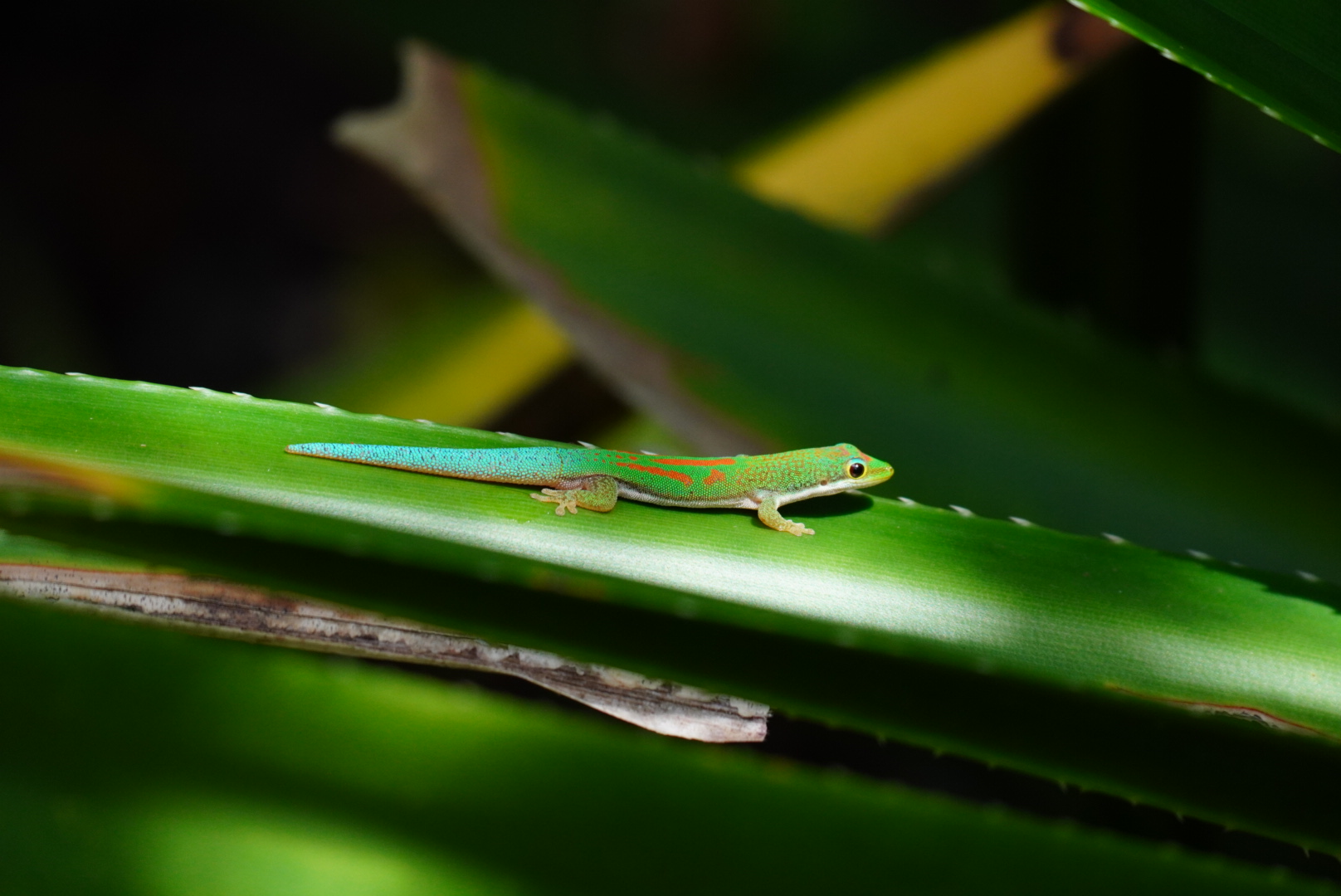 View LargeFrom geckos to lemurs, every survey helps us better understand Madagascar's biodiversity.
 -
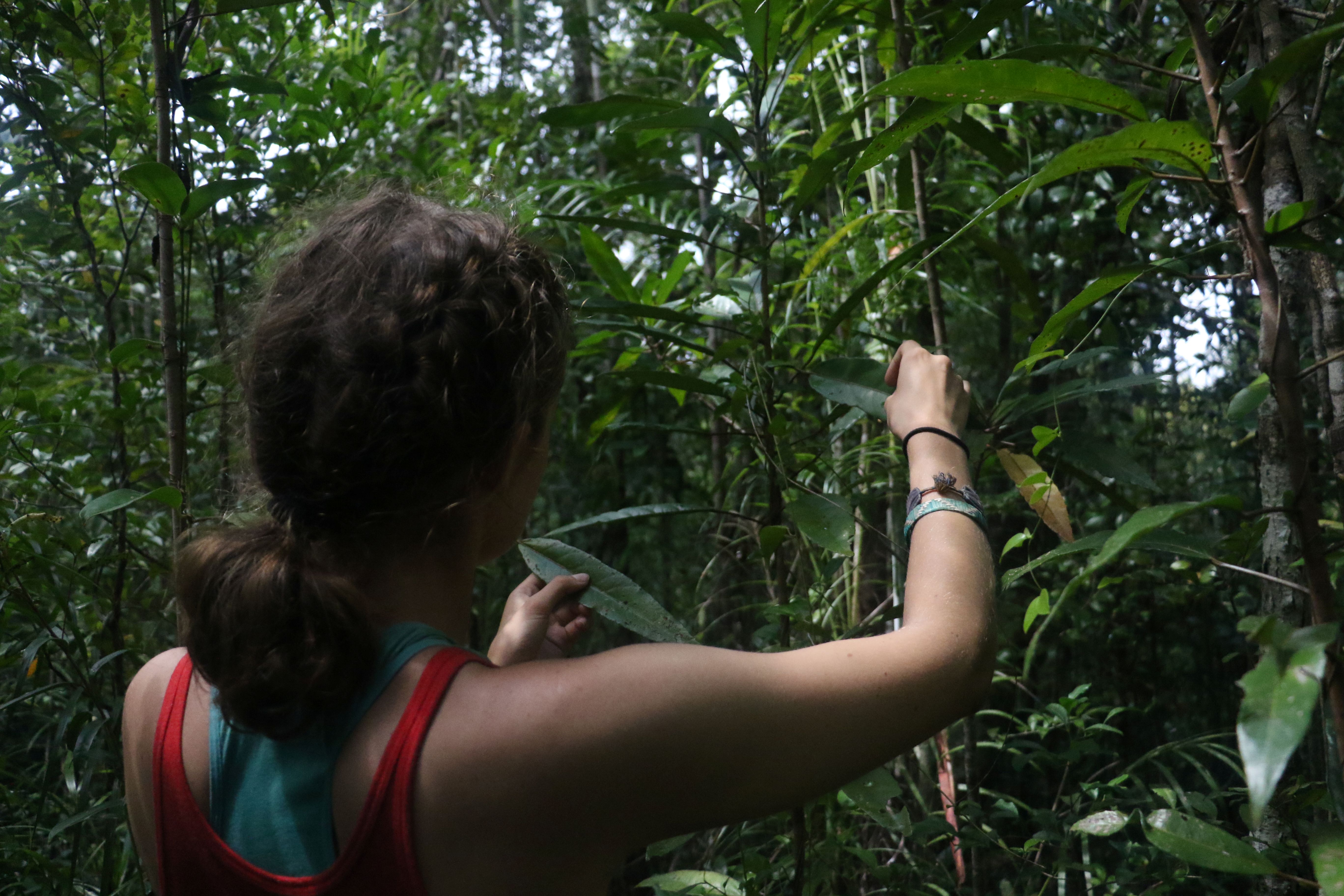 View LargeTaking in the beauty of Sainte Luce's unique littoral forest.
 -
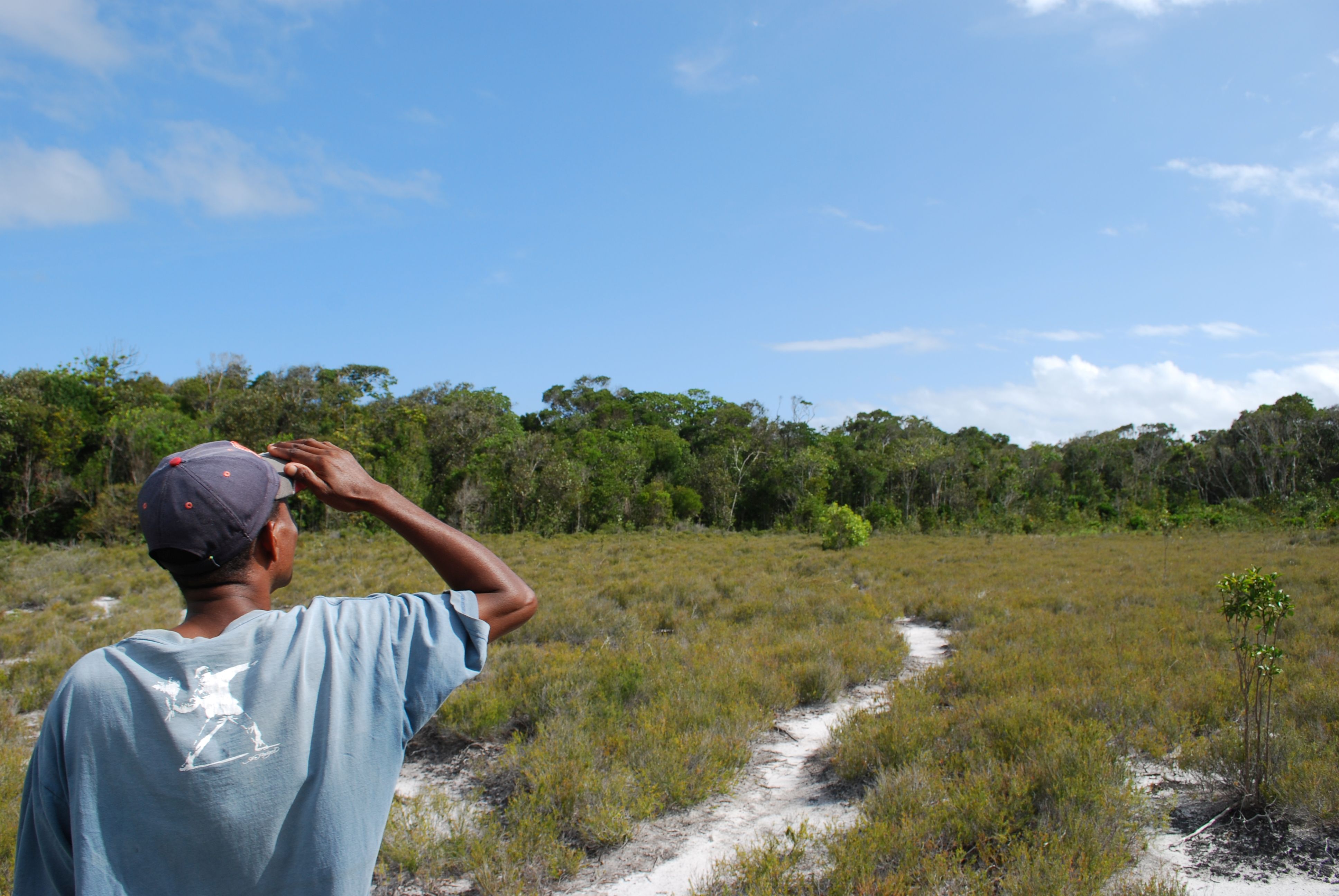 View LargeEvery observation contributes to long-term conservation research.
 -
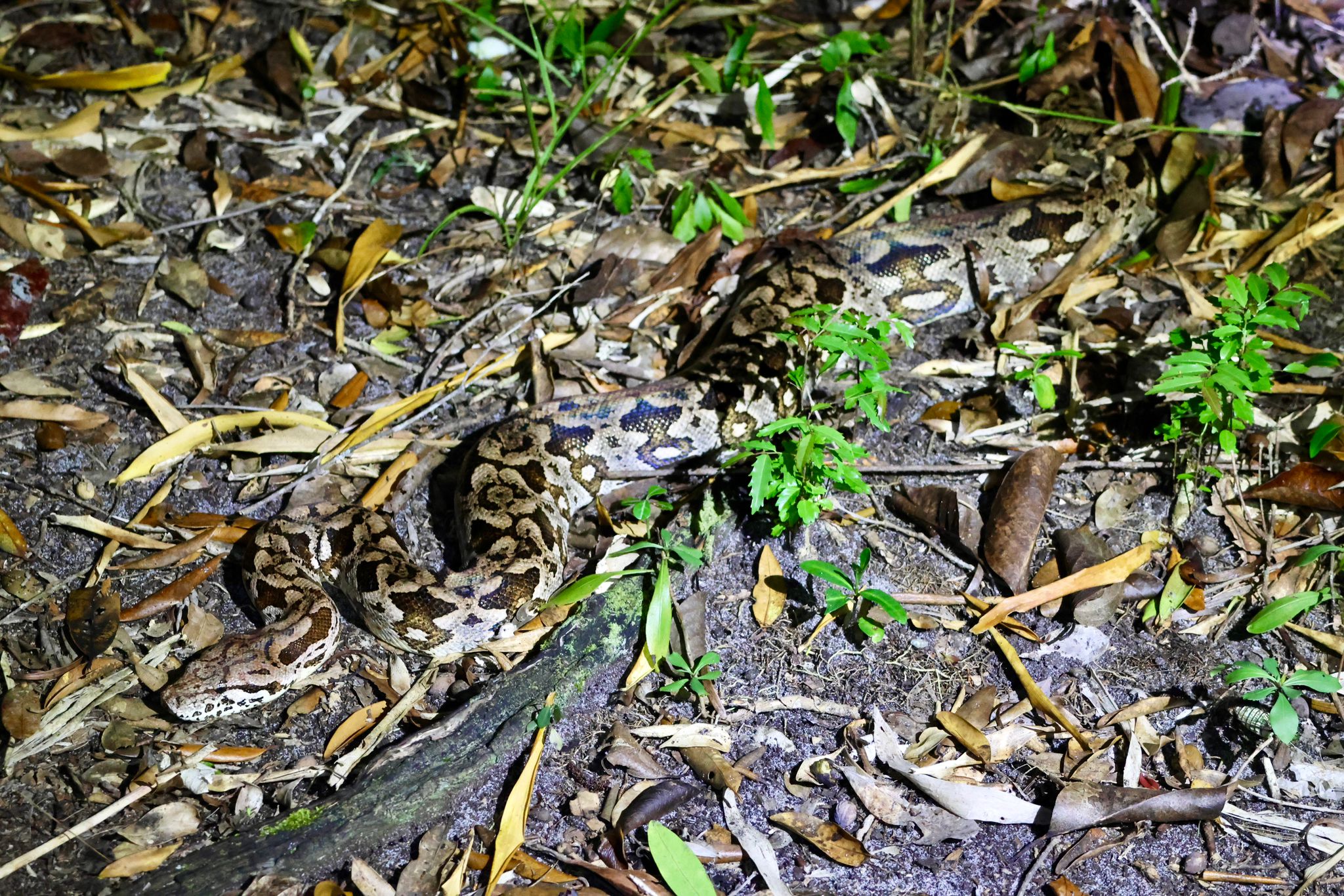 View LargeA rare encounter with the Madagascan Ground Boa during a night survey.
 -
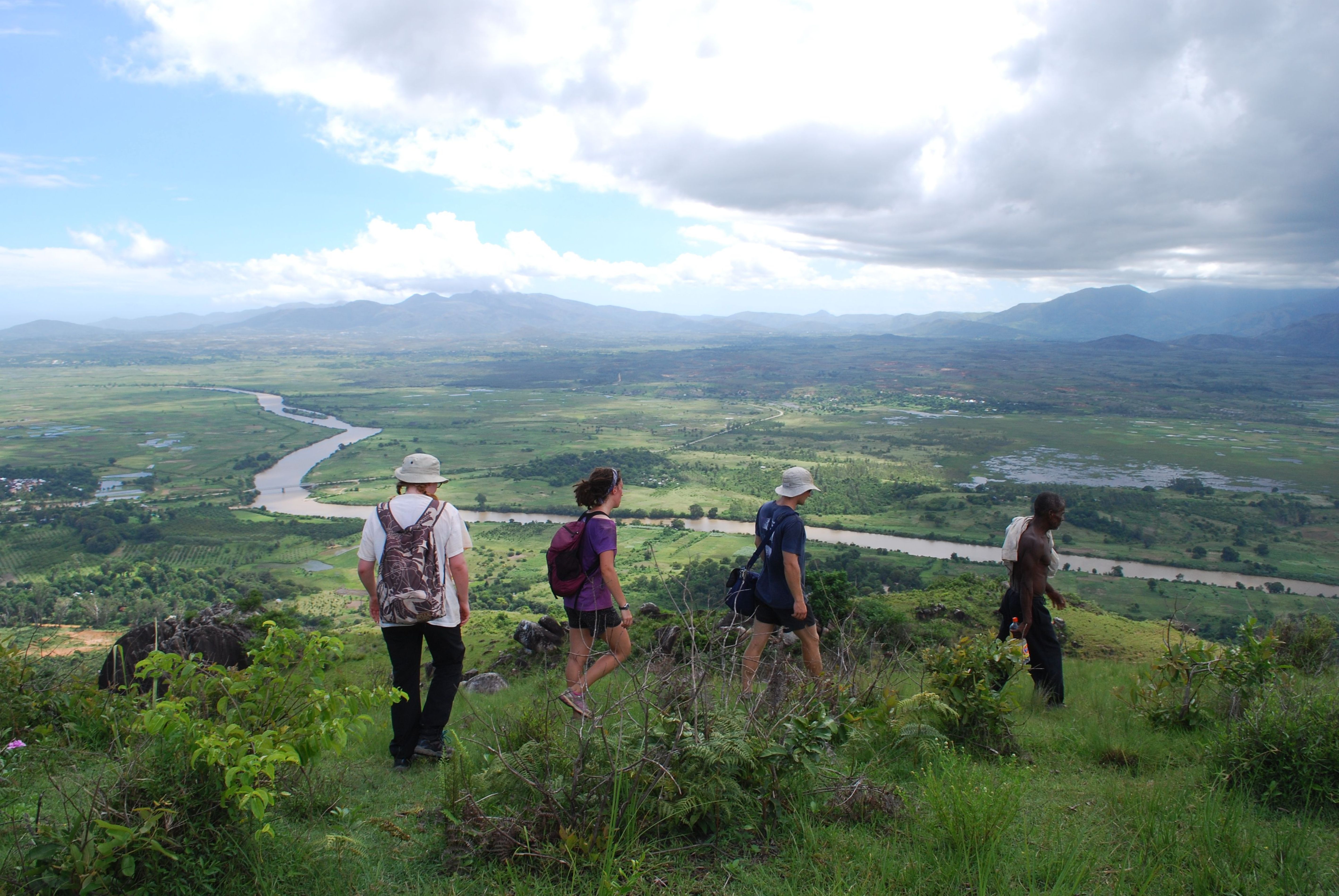 View LargeStep into the unique littoral forests of Sainte Luce.
This field placement in southeast Madagascar gives participants practical experience in conservation research and community development in the Anosy region, including the coastal forests and wetlands of Sainte Luce. Participants join a long-running grassroots programme that has worked with local communities for more than 20 years.
Students take part in:
- Herpetofauna long-term monitoring surveys
- Nocturnal lemur monitoring surveys
- Varika monitoring surveys
- Flying fox population counts
- Surveys in the Ala wildlife corridors
- Environmental education and school outreach sessions
The data collected helps support conservation work in a region facing environmental challenges such as mining. It also helps provide information for local communities, businesses and government organisations.
The placement combines practical fieldwork to develop skills in species identification, ecological survey methods, data collection, project work and community engagement, all while gaining valuable university credits ot further your studies. Participants work in remote forest areas with basic facilities and take part in physically demanding activities, including long walks and camping.
The programme encourages teamwork, cultural understanding, ethical practice and responsible behaviour.
There are four programme periods each year (January, April, July and September), usually lasting 4–8 weeks, with opportunities for longer stays. Although this is not a structured internship, it can be completed as a self-funded academic placement. Master’s students may also be able to connect the placement to dissertation research or professional development, depending on their university requirements.
Die Freiwilligen-Organisation stellt sich vor
Our Vision: A thriving, healthy, and sustainable Madagascar.
Our Mission: Working together to build community and environmental resilience in southeast Madagascar.
Our Strategic Aim: To build community and environmental resilience through community-driven social development and conservation initiatives, ensuring improved outcomes are sustained and communities can withstand future shocks. This work will be concentrated in our core programme areas of Community Health, Education Infrastructure, Rural Livelihoods, Water, Sanitation and Hygiene (WASH), and Environmental Conservation.For 25 years we have worked with the local communities in the littoral forests of Sainte Luce (south-east Madagascar), studying and protecting the incredible biodiversity it has to offer.Over this time, we have welcomed over 1,000 volunteers from across the world to come join us and discover the unique diversity that these threatened forest fragments and surrounding habitats support.While working alongside our expert research team, volunteers will directly contribute to projects across our whole conservation research programme. From lemur and herpetofauna surveys, to palms microhabitats and seed collecting, and so much more! Volunteers will gain hands-on research and data collection skills, while being immersed in the flora and fauna south-east Madagascar has to offer.No previous experience or skills in conservation is required to volunteer, we just ask that you have a passion for the environment, an open-mind, and a sense of adventure!
So wählen wir die Organisationen auf unserem Portal aus.
Projekt-Steckbrief
Maximum: 8 Wochen/2 Monate
2 Wochen: 795 €
4 Wochen/1 Monat: 1395 €
8 Wochen/2 Monate: 2195 €

Wegweiser Freiwilligenarbeit im Ausland
So wählen Sie die richtige Freiwilligen-Organisation aus
Wenn du jetzt mehr Infos anforderst, bekommt du außerdem kostenlos unseren 20-seitigen Ratgeber "So wählen Sie die richtige Freiwilligen-Organisation aus" im PDF-Format. Die Check-Liste für dieses Projekt haben wir darin bereits für rund 30 Qualitäts-Kriterien ausgefüllt. Das spart im Durchschnitt 60 Minuten Eigenrecherche. Und hilft entscheidend bei der Wahl des richtigen Freiwilligen-Projektes.